
How are you feeling today?
 Great
 Good
 Okay
 Not great
 Really upset
One face, one feeling word. A familiar daily classroom moment.
How are children feeling this term?
Responses and participation, day by day. No named-school comparisons.
Annual wellbeing surveys can miss changes during the school year.
A survey in September may give a different picture from one in November. Children's feelings can change with friendships, schoolwork and things happening at home. If information is collected only once or twice a year, those changes may go unseen.
A daily check-in gives children regular opportunities to share how they feel. Over weeks and terms, their responses can show when more children are reporting difficult days.
A snapshot of wellbeing on a particular day.
Reported feelings across school days, rather than on one survey date.
See whether the proportion of difficult days changes during the term.
Use daily pupil voice to inform wellbeing planning and support.
Schools already work hard to support children's wellbeing. What is often missing is a consistent, timely picture across all participating schools: one that helps local authorities see wider patterns without asking schools for another return.
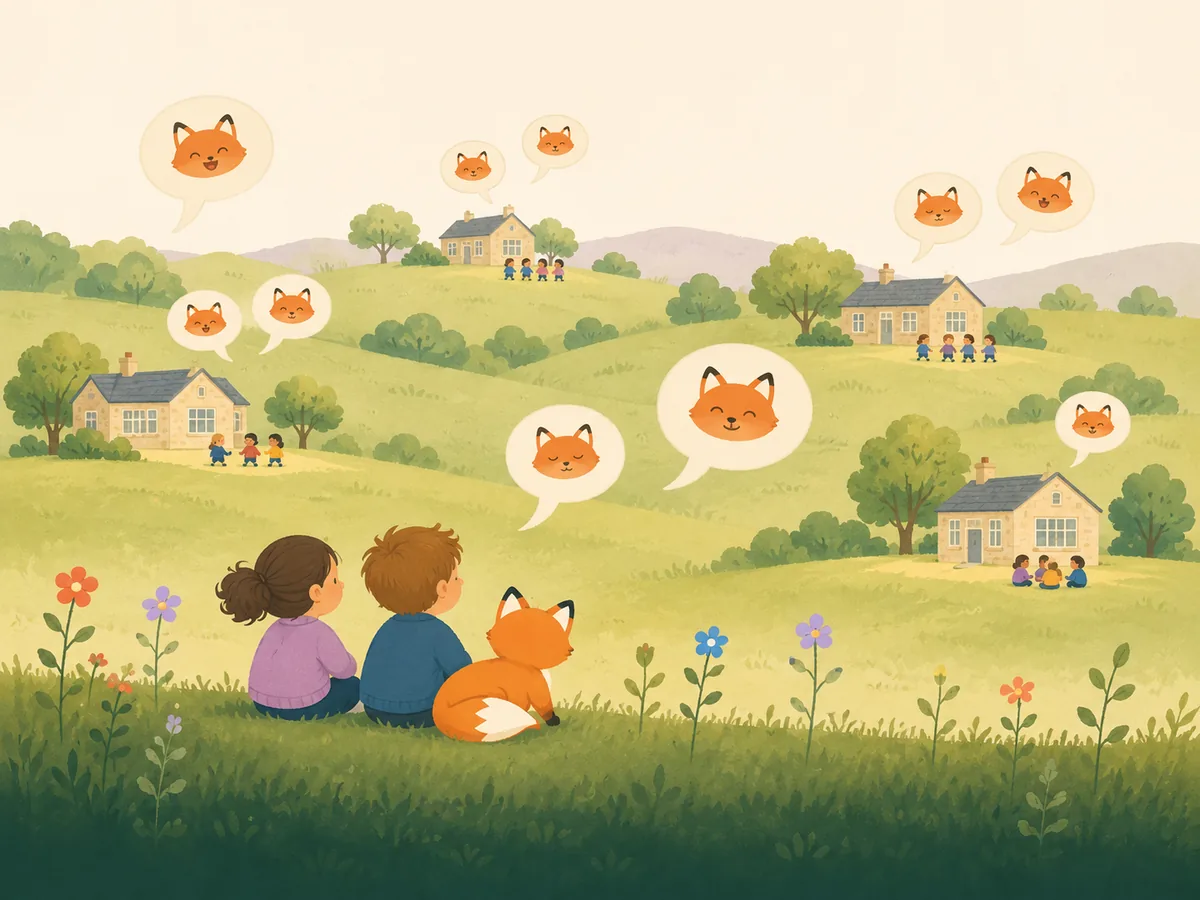
Give children a daily way to share how they feel.
Give children in every participating school the same simple opportunity to say how they feel.
Track reported feelings week by week and term by term.
Follow anonymised responses and participation across weeks and terms, rather than relying on isolated snapshots.
Use current trends to inform wellbeing planning.
Use an authority-wide picture to inform conversations about priorities, support and resource allocation.
Authority results are aggregated. Individual schools are not ranked or compared.
One number for the whole authority, every week.
The mean of every child's check-in, 1 to 5, across every participating school. Watch it move through the term, beside how many took part.
72% of children checked in
9 of 12 schools taking part
And whether the dip was wide or narrow, as counts, never a school by name.
Same number, same rule, so the comparison means something.
The same score from the staff morning check-in, shown separately.
Every termOne page, the same numbers. A termly summary written in plain sentences, ready to drop into your report.
Give schools a daily check-in they can use in two minutes.
Children choose a face and a feeling word, with audio support for younger pupils. Teachers can see the responses from their class, and school leaders can see overall patterns and participation.
A daily opportunity to say how they feel.
Choose a face and a feeling word, with audio support for younger children.
See how the class is feeling today.
See an aggregated picture of class responses that can support everyday conversations.
Review whole-school wellbeing trends.
Follow anonymised school-wide trends, staff responses and participation over time.
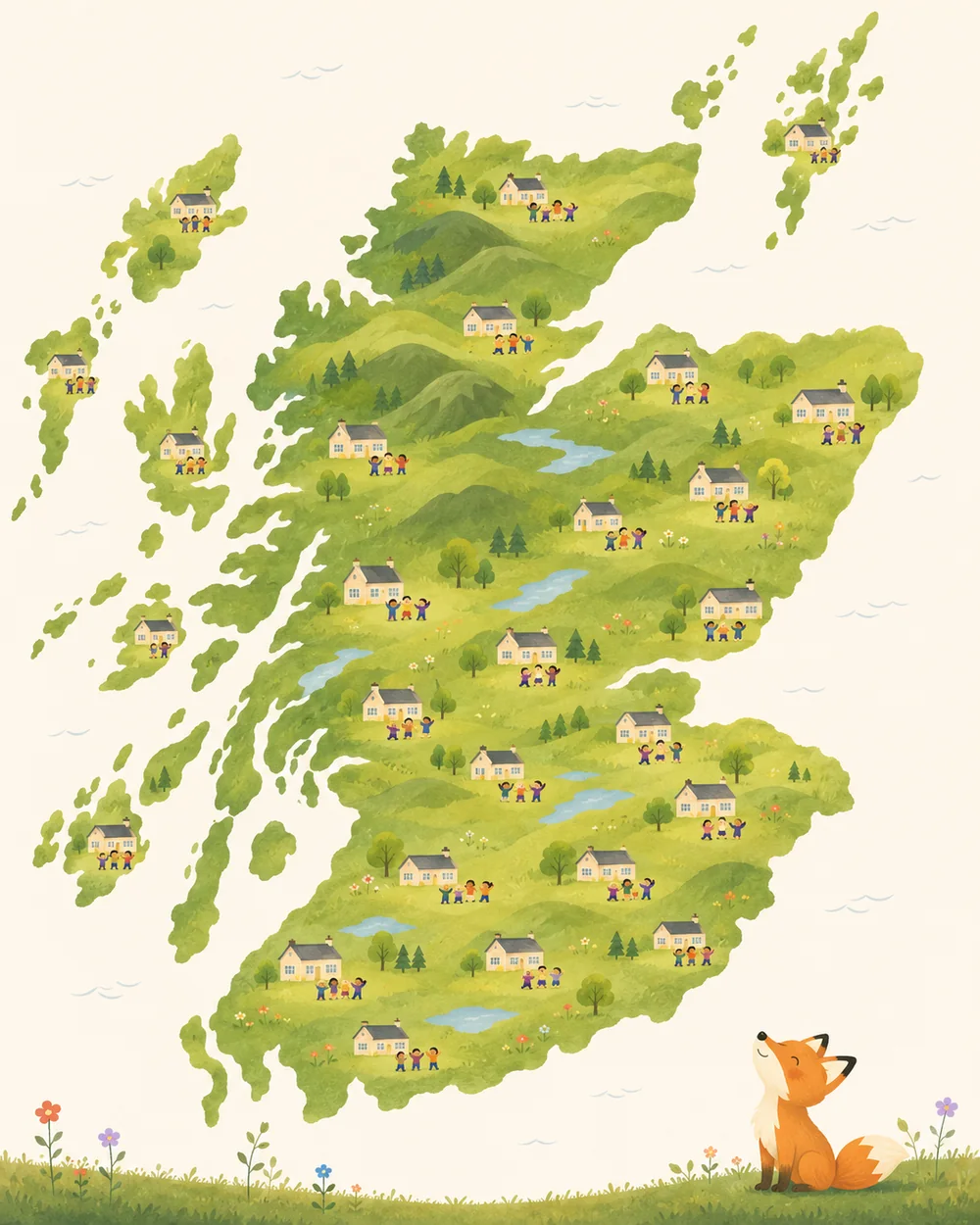
Give every Scottish authority a consistent picture of pupil wellbeing.
When schools across an authority use the same check-in, the authority can see overall patterns from participating schools. If more authorities take part, Scotland could begin to build a more consistent national picture of reported pupil wellbeing.
Pulse is designed to sit alongside the everyday work schools and authorities are already doing, including Curriculum for Excellence, GIRFEC and whole-school approaches to health and wellbeing. It does not replace established surveys or professional judgement. It adds a regular, accessible source of pupil and staff voice.
Regular pupil voice can help authorities review wellbeing priorities with more up-to-date information.
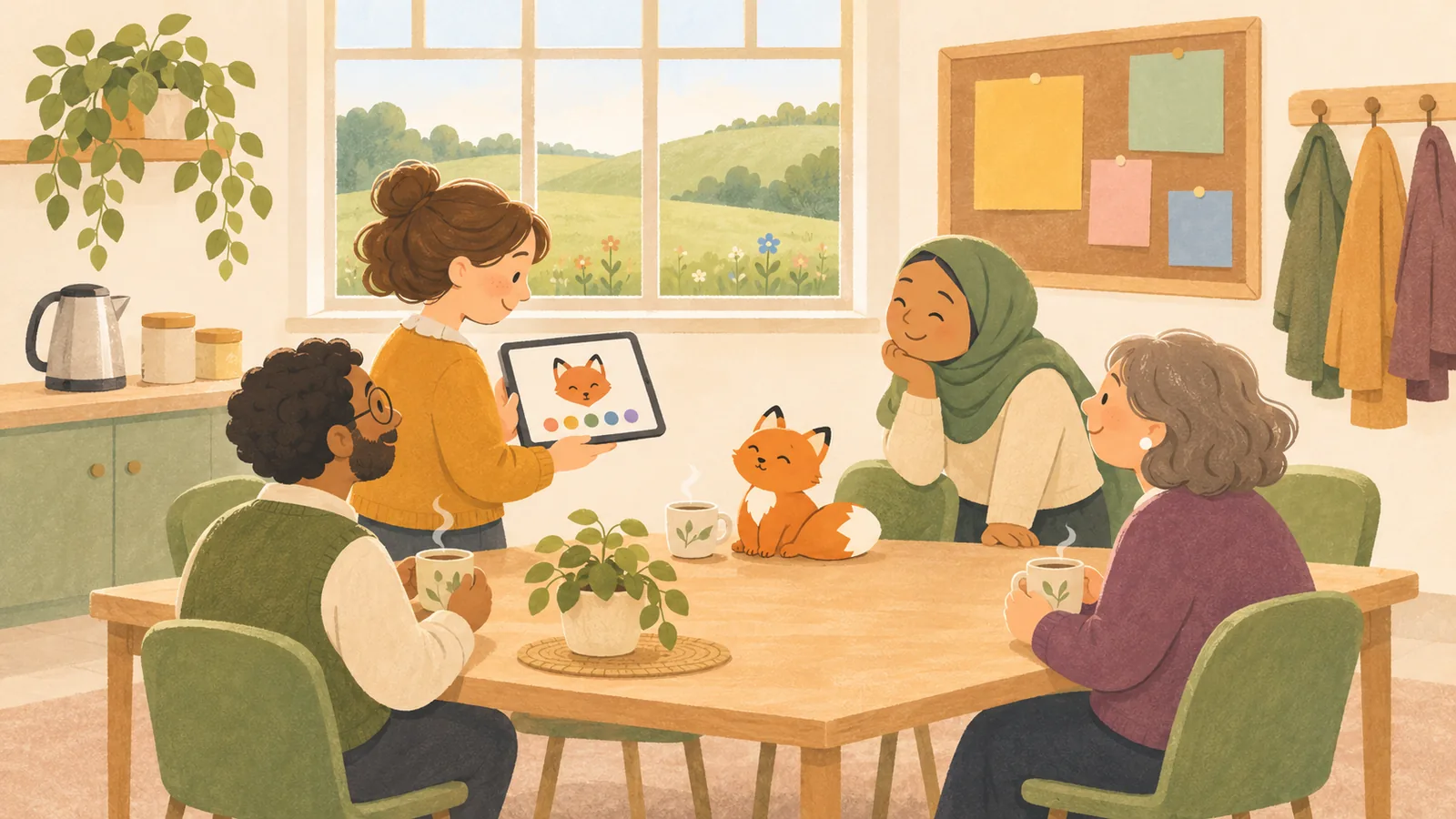
Understand how staff are feeling, too.
Bloom Pulse gives teachers a simple daily wellbeing check-in, helping schools and local authorities understand staff wellbeing alongside children's wellbeing.
All reporting is anonymous and only appears when enough people have responded.
A quick, optional check-in each morning.
Choose a face and a feeling. Individual responses stay private.
See how staff wellbeing changes throughout the term.
Ask your team questions about workload, support or other issues that matter to your school.
See staff wellbeing trends across participating schools.
Week by week and term by term, without identifying individual schools or staff.
Bloom Pulse is free. Not a trial, not a first year. Free.
There is no subscription, no introductory period and no limit on the number of classes a school can register. The check-in, the school view, the authority dashboard and the termly summary all cost nothing, for schools and for local authorities.
We want every school in Scotland to be able to take part, because the picture is only useful when enough schools are in it. Bloom earns its keep from its separate, optional regulation programme. Nothing on Pulse depends on it.
Yes. The check-in, school reporting, authority dashboard and termly summary are free, with no class limit and no end date. Bloom's wider regulation programme is separate and optional.
Schools use the daily check-in; the authority view and termly summary are generated from participation and responses.
No. Pulse does not show individual pupil responses or issue safeguarding alerts.
Yes. A school can start free without waiting for a local authority rollout.
No. It is the mean of the faces children chose, so it describes the responses received. A change does not tell you why children felt differently or whether a particular activity caused it.
See what Bloom Pulse could show across your authority.
We'll demonstrate the daily check-in, show the authority dashboard using sample data and explain how your schools can register.
Or email hello@discoverbloom.co.uk